
Colorado homes face a challenge that most climates don’t: dramatic temperature swings, snow-packed winters, high UV exposure, and dry summer heat. Your windows aren’t just design features, they’re critical to energy efficiency, comfort, and curb appeal. That’s why choosing the right window type matters.
At Gravina’s Window Center of Littleton® we’ve helped thousands of homeowners find the perfect windows for Colorado’s climate and code. As the oldest Infinity® by Marvin® dealer in the state, and Denver’s most trusted name in window replacement, we know what works, what lasts, and what to avoid.
This guide breaks down the top window styles, from casement to bay, double hung to sliding, so you can compare features, materials, and performance before replacing your windows.

Top Window Types for Colorado Homes - Backed by 50+ Years of Local Experience
If you’re short on time, start here. These are the most reliable window choices for Colorado’s climate, based on thousands of successful installations by Gravina’s Window Center of Littleton®.
- Best for Energy Efficiency: Fiberglass Casement or Picture Windows
- Best for Ventilation: Double Hung or Awning Windows
- Best View & Natural Light: Bay and Bow Windows
- Lowest Maintenance: Infinity® by Marvin® Fiberglass
Why Window Type Matters More Than Most Homeowners Realize
Continuity & Architecture
Matching the original window type isn’t just about curb appeal. Homes are designed around specific proportions, sightlines, and load paths. Changing window styles can subtly disrupt the balance of a façade, and in some cases introduce structural or flashing challenges that weren’t there before.
HOA & Neighborhood Requirements
Many Colorado neighborhoods require replacement windows to maintain the original style for consistency. Homeowners often discover this late in the process, after design decisions are already made. Knowing these constraints early helps avoid costly revisions and approval delays.
Safety & Building Codes
Window type can directly impact code compliance. For example, bedrooms must meet egress requirements to allow full exit in an emergency. Swapping a casement for a double-hung, or vice versa, without considering clearance and opening size can create issues that only surface during inspection.
Long-Term Performance
Some window types simply perform better in certain openings. Operable styles with tighter compression seals tend to resist air infiltration more effectively at altitude, while others prioritize ease of use or sightlines. The right choice balances how the window looks, operates, and holds up over decades, not just how it functions on day one.
Choosing the Right Window Material Comes First
Before choosing how a window opens, it’s important to understand what it’s made of. Window material plays a larger role in long-term performance than most homeowners realize, especially in Colorado’s climate.
Temperature swings, high-altitude UV exposure, and seasonal expansion and contraction all place stress on window frames over time. Some materials handle those forces predictably. Others don’t.
Fiberglass Windows
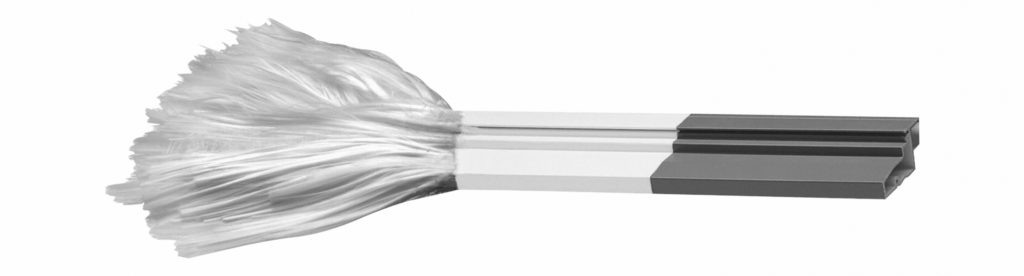
Fiberglass frames are engineered for stability. They expand and contract at rates similar to glass, which helps maintain tight seals through Colorado’s freeze–thaw cycles. This consistency supports long-term energy efficiency, smoother operation, and fewer performance issues as the home ages. For homeowners planning to stay in their home long-term, fiberglass is often the most reliable choice.
Vinyl Windows
Vinyl is widely used because it’s affordable and low maintenance. However, vinyl frames are more susceptible to softening, warping, and color fading when exposed to prolonged UV radiation and temperature extremes. In Colorado’s high-altitude environment, these effects can show up sooner than many homeowners expect, particularly on south- and west-facing elevations.
In practice, material choice sets the ceiling for how well any window style will perform. Even the right window type can struggle if the frame material isn’t suited to the environment it’s installed in.
Popular Window Styles for Colorado Homes
Each window type offers different advantages. Here's a guide to help you choose based on style, performance, and use case:
Double Hung Windows
- Classic two-sash window - both sashes open vertically
- Great for ventilation and easy to clean from the inside
- Perfect for bedrooms and traditional homes
Sliding (Gliding) Windows
- Operate side-to-side instead of up/down
- Ideal for tight spaces and modern aesthetics
- Easy operation with a clean, minimal look
Casement Windows
- Crank-out operation with side hinges
- Maximizes ventilation and energy efficiency
- Uninterrupted outdoor views
Bay and Bow Windows
- Extend outward for added space and natural light
- Beautiful architectural focal point
- Great for living rooms and reading nooks
Picture Windows
- Fixed glass panels for scenic views and daylight
- No moving parts = zero maintenance
- Often combined with operable windows
Awning Windows
- Hinged at the top and open outward
- Allow ventilation, even during rain
- Popular for bathrooms and basements
Single Hung Windows
- Similar to double hung, but only the bottom sash moves
- Simple, cost-effective design
- Great for traditional homes or budget-conscious projects
Corner Windows
- Create a modern, open-concept feel with panoramic views
- Meet at a 90° angle with minimal framing
- Popular in contemporary home designs
Specialty Shape Windows
- Custom geometric windows for unique spaces
- Available in circles, arches, octagons, and more
- Add personality and architectural interest
Frequently Asked Questions
What window type lasts the longest in Colorado?
Longevity depends on how well a window handles Colorado’s environmental stress over time. Window types that use tighter compression seals and maintain consistent frame alignment tend to hold up better through temperature swings and pressure changes. However, even the best-designed window type can underperform if the frame material isn’t stable in high-altitude conditions. In practice, durability comes from the right combination of window type, material, and proper installation, not style alone.
Are certain window styles better for high-altitude homes?
Yes. At higher elevations, air pressure differences and wind exposure place additional demands on operable windows. Styles that close with compression rather than sliding contact generally provide a tighter seal, which helps reduce air infiltration. That doesn’t mean other styles can’t perform well; it means the opening, exposure, and use of the window should guide the choice rather than aesthetics alone.
Is fiberglass better than vinyl for Colorado weather?
Fiberglass and vinyl behave differently when exposed to prolonged UV radiation and wide temperature swings. Fiberglass maintains its shape more consistently, which helps preserve seals and smooth operation over time. Vinyl remains a popular option due to its affordability, but in Colorado’s high-altitude environment, material stability tends to matter more as the years pass. The right choice depends on how long you plan to stay in your home and how exposed the windows will be.
Why Colorado Homeowners Trust Gravina’s Window Center of Littleton®
Ready to Upgrade Your Windows?
- Showroom: 209 W Littleton Blvd, Littleton, CO
- Call: 303-794-0490
- Website: windowsforyourhome.com
This article was originally published on July 31, 2025 and last updated on February 2026 to reflect current guidance for Colorado homeowners.

1 Comment
[…] project. They will be familiar with current trends, technologies, installation techniques, and types of windows, assuring your windows are correctly […]